
What Capital Gains Tax changes could mean for you
Capital Gains Tax: What First-Time and Experienced Investors Should Know Ahead of the Autumn Statement 2025
With potential changes on the horizon, here’s how upcoming CGT adjustments could affect your financial plans and what steps you can take now.
As we approach the UK’s Autumn Budget on November 26, many are speculating about potential changes to Capital Gains Tax (CGT). While the Chancellor has yet to confirm any adjustments, understanding the possible scenarios can help you plan ahead.
What Could Change?
Recent discussions suggest that CGT rates might increase, particularly for higher-rate taxpayers. Currently, the lower rate stands at 10%, and the higher rate at 20%. If these rates rise, it could impact the tax you pay when selling assets like property or investments. Additionally, there’s talk of reducing the annual exemption allowance—the amount of gain you can realise before CGT applies. Lowering this threshold means more of your gains could become taxable.


Why It Matters
These potential changes aim to address the UK’s fiscal challenges, including a projected £41.2 billion deficit for the current year. By adjusting CGT, the government seeks to increase tax revenue without raising income tax or National Insurance contributions. However, such changes could affect your financial plans. For instance, if you’re considering selling an asset, a higher CGT rate or a reduced exemption could influence your decision.
What Should You Do?
At Cohesion, we’re here to guide you through these uncertainties. If you have questions or need assistance in planning, don’t hesitate to reach out
Connect with usYou may also be interested in

Cohesion commits to the Financial Vulnerability Charter
Read more
A new tax year: starting with clarity, not urgency
Read more
More than a tick-box: purpose, profit & the reality in between
Read more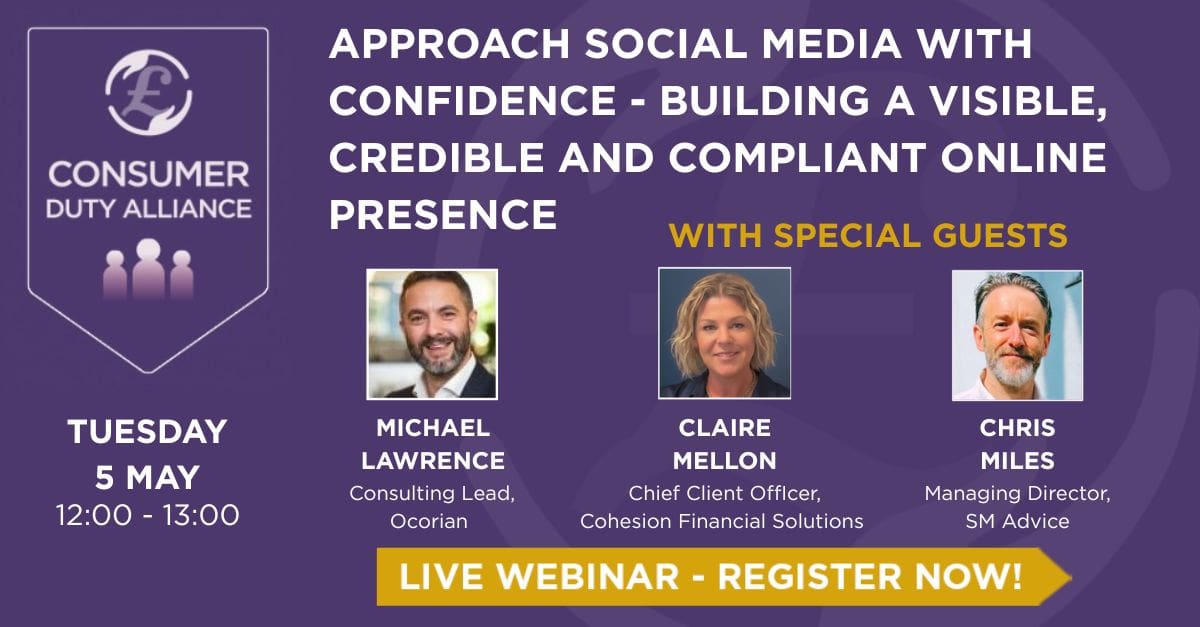
Cohesion contributes to Consumer Duty Alliance Social Media webinar
Read more
Raising standards in financial advice: Cohesion and the Consumer Duty Alliance
Read more
More than a tick-box: a small reflection from B Corp month
Read moreStay in the Loop
Our Stories is updated regularly with insights, news, and reflections. Connect with us to make sure you don’t miss an update.
Connect with us Subscribe to Cohesion ConnectsOur commitments
We believe great financial advice is built on trust, transparency, and doing the right thing, every time. That’s why we align ourselves with respected charters and organisations that hold us to the highest standards of care, ethics, and client protection.
These commitments shape how we work, how we make decisions and how we support the people and communities we serve.